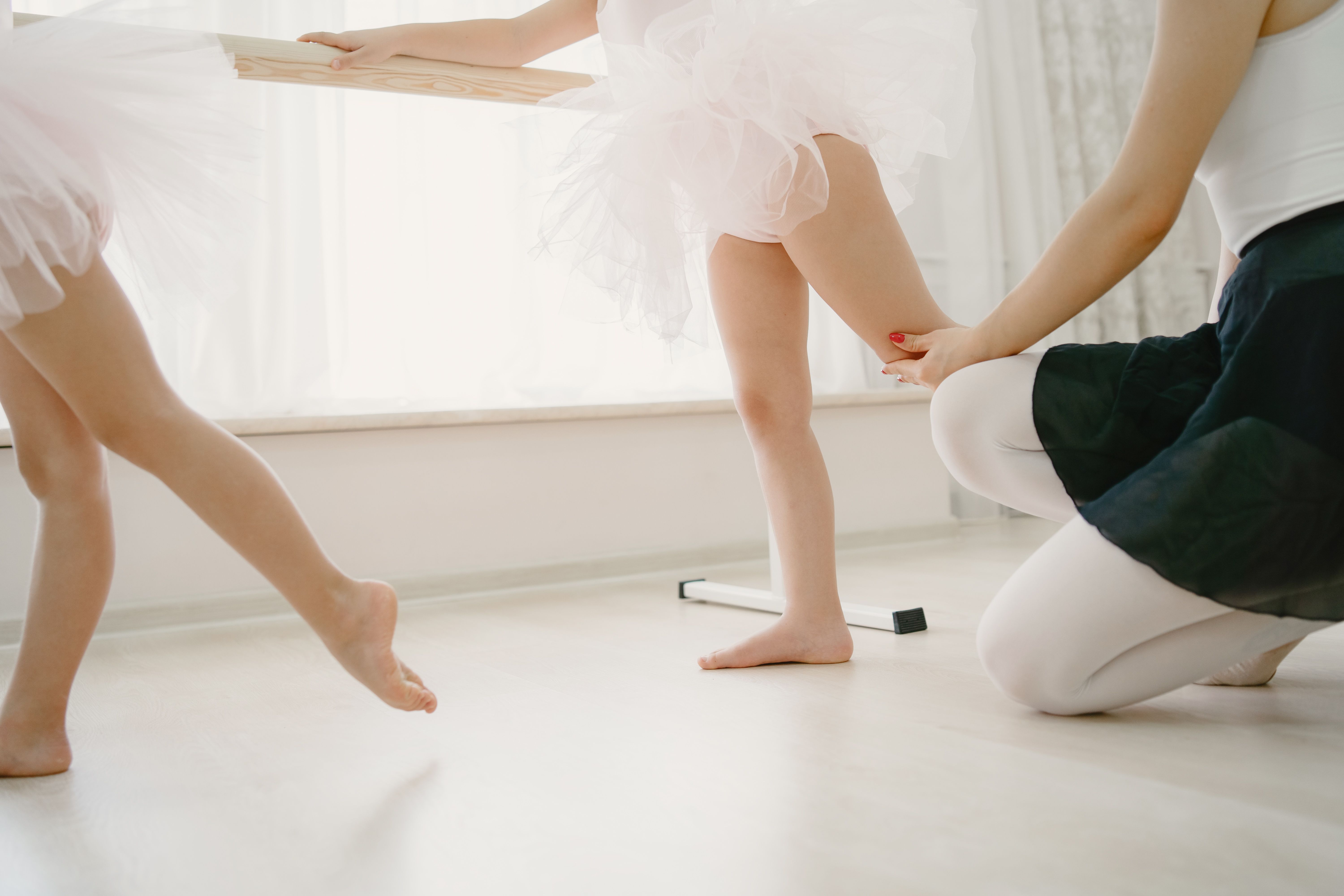
Deciding to enroll your child in classical ballet is an exciting milestone, but for many parents in Singapore and across Southeast Asia, searching for a studio quickly leads down a rabbit hole of technical terms: Royal Academy of Dance (RAD), Vaganova, CSTD, pointe readiness, and graded exams.
With so many dance schools advertising different teaching methodologies, how do you know which approach fits your child's personality, physical development, and long-term goals?
Here is a clear breakdown of the world’s two most popular ballet syllabi, what age to start, and what to look for when choosing a private ballet coach or dance studio.
RAD vs. Vaganova: What’s the Difference?
While both methods produce beautiful dancers, they approach ballet training with very different philosophies.
The Royal Academy of Dance (RAD) System
Originating in the UK, the RAD syllabus is the most widely adopted ballet framework in Singapore, Malaysia, and across the Commonwealth.
-
Structure & Progression: RAD breaks training into clear, age-appropriate graded levels (from Pre-Primary through Grade 8 and Vocational levels). It emphasizes safe anatomical progression, musicality, and performance expression early on.
-
Best For: Children who thrive on structured, step-by-step milestones, regular examination certification, and a balanced mix of classical technique, free movement, and character dance.
The Vaganova (Russian) System
Developed by Agrippina Vaganova, this method is renowned for producing world-class professional dancers through a rigorous, highly structured approach to body mechanics.
-
Technique & Strength: Vaganova training focuses heavily on epaulement (body placement), core stability, upper-body coordination, and precise turnout from an early age. Exercises build strength cumulatively through repetitive, disciplined barwork.
-
Best For: Dancers seeking intensive classical technique, students interested in competitive variations (e.g., YAGP or regional dance grand prix), or those considering vocational pre-professional pathways.
What Is the Best Age to Start Ballet?
One of the most common questions parents ask online is: "Is my 3-year-old ready for ballet?"
-
Ages 3 to 5 (Creative Movement & Pre-Ballet): Early childhood classes focus on spatial awareness, rhythm, gross motor skills, and listening to music. At this stage, formal technical corrections (like forced turnout) should be avoided to protect growing joints.
-
Ages 6 to 8 (Formal Technical Foundations): This is the ideal window to begin structured syllabus work (Grade 1 RAD or Primary Vaganova). Children develop the physical stamina and concentration needed for formal barre and center work.
-
Ages 11+ (Pointe Readiness): Going en pointe is a major milestone, but starting too early can cause foot and ankle injuries. A responsible teacher will only approve pointe work after assessing ankle strength, core control, and bone growth maturity (typically around age 11–12 after years of consistent training).
What to Look for in a First Ballet Teacher or Private Coach
Whether your child wants to dance recreationally or aims for elite competition stages, the quality of early instruction dictates whether they build grace and strength—or develop chronic posture habits.
When evaluating a coach or school, check for these essential markers:
-
Pedagogical Qualifications: A great professional dancer isn't automatically a great teacher. Look for certified syllabus teachers (e.g., RAD Registered Teacher Status or certified Vaganova pedagogy training).
-
Focus on Safe Anatomy: A good instructor prioritizes healthy alignment, core engagement, and natural turnout from the hips rather than forcing feet outward.
-
Patience & Positive Reinforcement: Ballet requires high discipline, but early training should foster a genuine love for dance, performance art, and movement confidence.
-
Safety & First Aid Verification: Ensure instructors or private studio coaches maintain valid First Aid with CPR + AED certifications to handle minor injuries or overexertion safely.
Ready to Begin Their Ballet Journey?
Whether your child is taking their very first pre-ballet trial or preparing for upcoming graded examinations and solos, working with a qualified mentor makes all the difference.
👉 Browse verified ballet coaches and dance instructors near you to find certified teachers who match your child's age, goal, and preferred learning style.