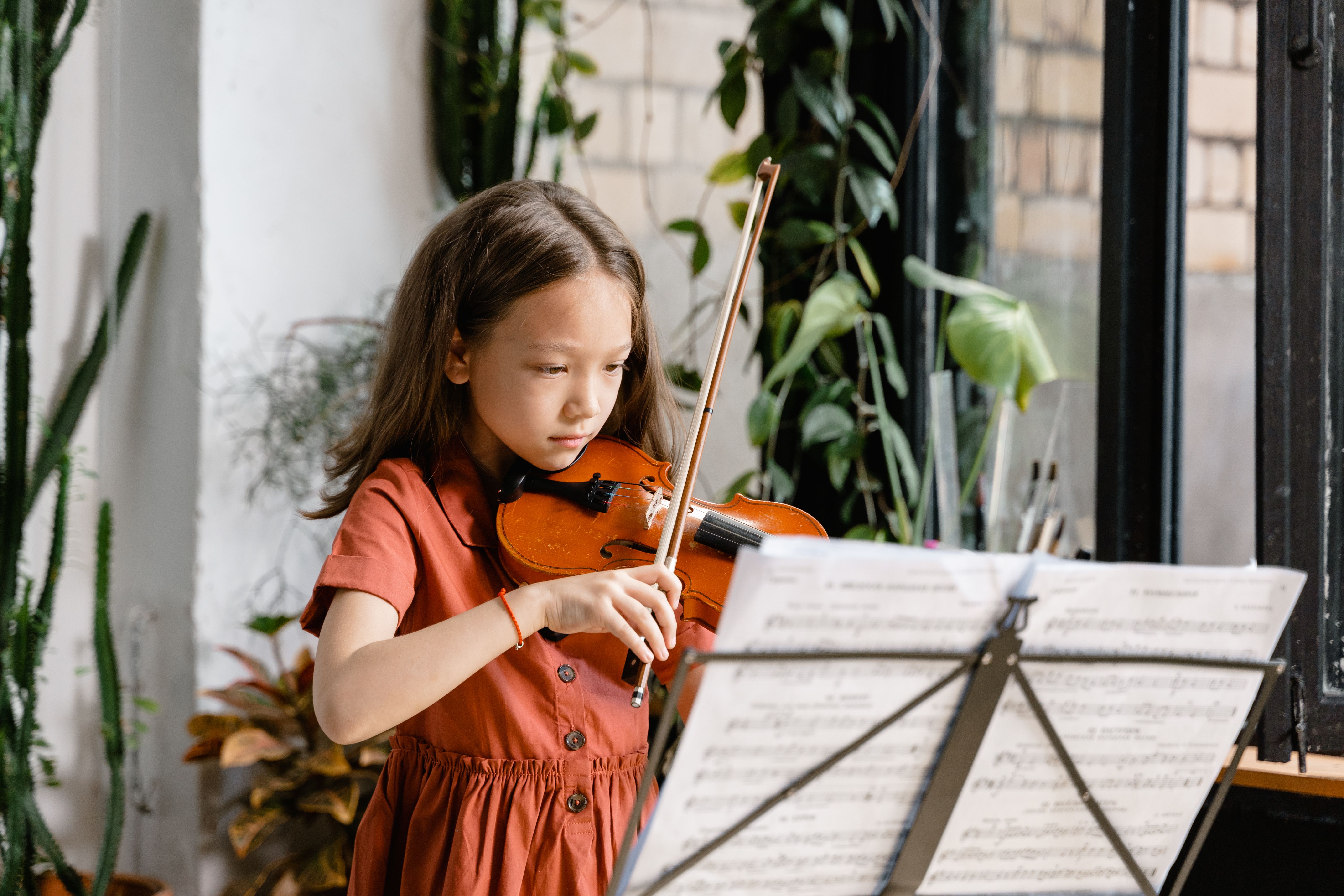
Deciding between piano, guitar, and violin is one of the classic milestones for parents introducing their child to music. All too often, the choice comes down strictly to budget or available space at home. But if your goal is long-term engagement, correct posture development, and genuine musical growth, a few deeper factors are worth weighing before you commit.
Piano: The Masterclass in Music Theory
For pure musical foundation and comprehensive understanding, the piano is hard to beat.
-
Visual Logic: Notes are laid out sequentially from left to right, making intervals, scales, and chord construction instantly visible in a way that can feel abstract on other instruments.
-
The Exam Pathway: Major regional music exam boards (such as ABRSM and Trinity College London) lean heavily on piano-based theory layouts. Starting on the piano makes core theory intuitive, smoothing the path if your child ever transitions to other instruments later.
Guitar: Portability, Cost, and Quick Wins
The guitar is a popular alternative for keeping early enthusiasm high with minimal friction:
-
Early Gratification: While a beginner pianist might spend weeks mastering independent hand coordination, a young guitarist can often strum a recognizable chord progression within their very first few lessons.
-
Portability and Practicality: Unlike an acoustic piano or a bulky digital setup, a guitar easily fits into a bedroom corner, travels to school events, or goes along on holiday without taking up valuable floor space.
Violin: Discipline, Posture, and Ensemble Playing
The violin offers a uniquely rigorous and rewarding musical pathway, particularly popular in youth orchestras and classical training circles across the region:
-
Ear Training and Intonation: Because the violin has no frets, students must rely heavily on their ear and muscle memory to hit the correct pitches. This develops exceptional relative pitch and listening skills early on.
-
Social and Orchestral Opportunities: Violinists are in constant demand for school string ensembles, youth symphonies, and community groups, providing a built-in social network and collaborative performance goals.
-
The Catch: The initial learning curve can be steep. Producing a pleasing tone (rather than a squeak) takes patience, meaning parental support and disciplined daily practice are essential in the first year.
The Real Deciding Factor: What Will They Actually Practice?
An expensive instrument gathering dust in the living room teaches nothing. If your child is constantly humming modern pop tracks, classical pieces, or film scores they heard online, lean into that preference. Intrinsic motivation the genuine desire to play music they love, matters far more than which instrument is theoretically "better" to start with.
What to Look for in a First Music Teacher
Whichever instrument you choose, the first few months lay the groundwork. Look out for these qualities when vetting an instructor:
-
Focus on Technique Early On: A great beginner teacher emphasizes proper posture, wrist alignment, and hand/bow positioning from day one. Bad habits formed in month one take months to unlearn.
-
Engagement Style: Ask prospective instructors how they handle a child who is losing interest or feeling frustrated. Their approach to balancing fun with discipline dictates whether your child sticks with it.
-
Verified Credentials: Ensure your instructor has formal training or proven pedagogy experience with young learners. (Every music coach on HandpickCoach goes through strict identity and qualification checks before listing)
Ready to Start Their Musical Journey?
Whether your child is destined for classical piano recitals, acoustic bedroom jam sessions, or orchestral violin performances, finding the right mentor makes all the difference.
👉 Browse verified music coaches and instrument instructors near you to connect with experienced teachers who match your child's learning style.